














Oil and gas prices surged Monday (March 2) after fresh military strikes between the US, Israel, and Iran rattled energy markets and brought shipping through the Strait of Hormuz close to a halt, raising fears of a wider supply shock.
Brent crude, the global oil benchmark, jumped as much as 10 percent to trade above US$82 per barrel before easing back toward US$79. US crude rose more than 6.5 percent, climbing nearly US$5 per barrel to around US$72.
Natural gas markets saw even sharper moves. European gas futures rocketed higher after QatarEnergy said it had suspended liquefied natural gas (LNG) production following what it described as “military attacks” on its facilities.
The company halted production after a drone targeted a facility in Ras Laffan Industrial City, according to Qatar’s Ministry of Defence. A separate drone reportedly struck a water tank at a power plant in Mesaieed. In Saudi Arabia, Aramco temporarily shut its Ras Tanura refinery after it was hit by a drone.
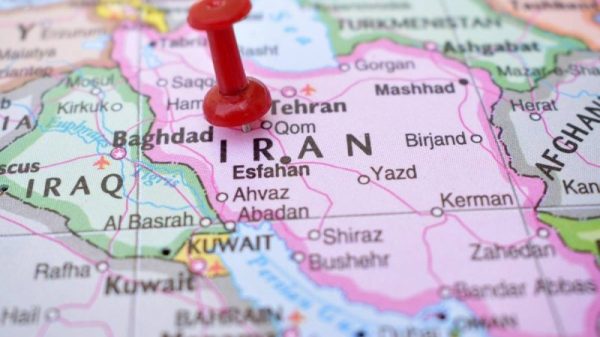
Tensions have centred on the Strait of Hormuz, the narrow waterway through which roughly 20 percent of the world’s oil and significant LNG volumes pass.
Shipping traffic through the strait has slowed dramatically.
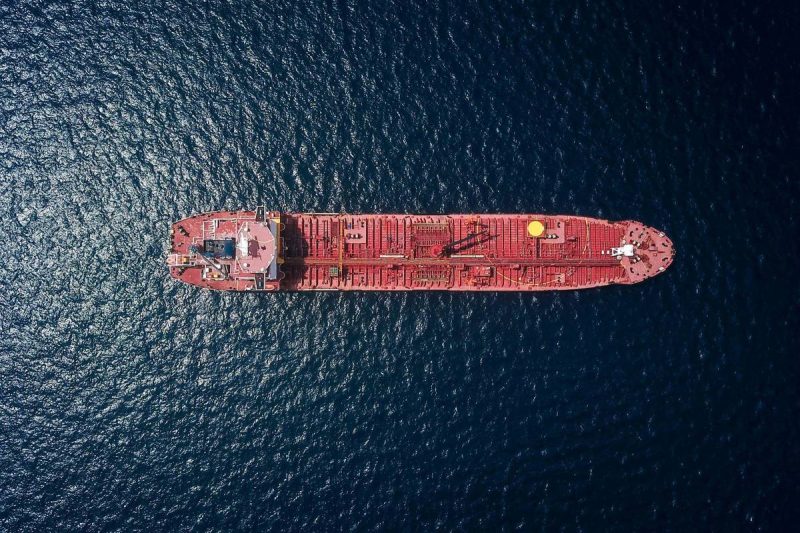
The UK Maritime Trade Operations Centre reported that two vessels had been struck and that an “unknown projectile” exploded “in very close proximity” to a third. At least 150 tankers have reportedly dropped anchor beyond the strait, while major shipping companies paused or rerouted sailings.
‘Meanwhile, no LNG vessels have transited the Strait of Hormuz since Saturday, effectively cutting off around 20 percent of global LNG supply. Although there is no formal blockade, tankers remain anchored due to heightened security and insurance risks, intensifying supply concerns,’ an email from the Independent Commodity Intelligence Services (ICIS) noted.
Analysts say the disruption threatens around 120 billion cubic meters per year of LNG supply from Qatar and the UAE, volumes that are comparable to the gas Europe has lost from Russia since 2021.
Others warned that prices could climb much higher if the standoff persists. Some estimates suggest Brent could approach or exceed US$100 per barrel in the event of a prolonged closure.
OPEC+ spare capacity is largely located in the Gulf and would be difficult to access if shipping remains constrained. On Sunday (March 1), OPEC+ agreed to increase output by 206,000 barrels per day starting next month in an effort to cushion price rises.
However, any additional barrels would still need to transit through the region.
Gold, often viewed as a safe-haven asset during geopolitical turmoil, also rose by around 2 percent to US$5,378 per ounce.
Much now depends on whether energy infrastructure continues to be targeted and how long shipping disruptions persist.
“The jump in prices will feed through almost immediately because the oil traders are very much following the news too,” Robin Mills, chief executive of consultancy Qamar Energy, told BBC.
“At the moment, oil prices are not particularly high, they are still below where they were even two years ago so we’re not in full-blown oil crisis mode yet.”
The trajectory of prices, analysts say, will hinge on how much supply is ultimately disrupted, how long any other form of disruption lasts, and whether traffic through one of the world’s most critical energy chokepoints resumes in the coming days.
Securities Disclosure: I, Giann Liguid, hold no direct investment interest in any company mentioned in this article.